Blessings Be Upon Them

One of the wonderful things about Britain is its diversity. Not only can you travel less than 100 miles and get a different accent, scenery, culture, architecture, etc but there have been waves of immigrants who have all spiced up what would otherwise be a rather bland white-bread mix.

Scotland has been a part of this, whether from Vikings in the Dark Ages, Flemish weavers in the Middle Ages, Italians a century ago, Poles in WW2 or Asians since then. Edinburgh University is a cultural goulash of students and the city itself gets more foreign visitors than anywhere else in the UK outside London. But where it differs from England is that its nationalists aren’t standard-issue xenophobes; the SNP is international, multicultural and has no time for tirades against either immigrants or foreigners.

This attitude is born of the Scots’ own attitudes, which stems from a genuine curiosity about strangers and a natural reaction to treat them like the regular folk they are. This is complemented by our immigrants generally getting involved in our local culture so much so that curry now jostles with haggis to be the national dish.

In this, we Scots seem very different from our English cousins. Such is the degree of immigration there into an already crowded country that social fragmentation is rife across former industrial cities and political movements based on xenophobia are a real force in the land. From the relatively mild UKIP, through the BNP and into the unsavoury reaches of the right wing, various movements vie to be the spokespeople for those who resent sharing their country with (and I use the word advisedly) ‘foreigners’.

In some ways, this diversity of opinion is to be welcomed; it is classically British to be polite, swallow any discomfort and rub along as best you can. Britain carries a proud tradition of asylum for those persecuted elsewhere and, since the religious wars of 300 years ago, avoiding systemic persecution of any subset of its citizens (although the greedy-landlord-motivated post-1745 Clearances can be argued an exception).

So, that UKIP/BNP exist on the same ballot paper as the SSP is to be welcomed as a broad-minded country enough at peace with itself to tolerate extremes. But here’s where the unity of ‘British’ culture is now breaking down. The more BNP win council seats in Bradford or that UKIP gain MEPs and overtake the Lib-Dems in English polling, the more they are seen to be English—their ‘British’ titles and pretensions notwithstanding.

Because Scotland has no truck with them. While various groups froth at the mouth about Abu Qatada and his activities, in Scotland it is non-news. While Theresa May bangs on about taking sovereignty back from Europe by rejecting a slew of EU legislation, Scotland would argue to accept it. Few in Scotland think that its varied, if small, groups of immigrants have brought anything more than assets to the country. Repatriateing all those of Italian heritage would be a disaster: we’d lose most of our chip shops and ice cream parlours. In Scotland, UKIP/BNP/et al are nowhere.

Which is why, when I come across Facebook pages such as Infidels of Britain, I don’t quite know what to make of it. On the one hand, it is ‘patriotic’, supporting cultural icons that we Scots share—British Army, Royal Marines, Winston Churchill and the like. But then it drifts into Enoch Powell—not quite the demon some make him out to be but definitely suspect on multiracial credentials—and blames migrants for poverty, NHS collapse, green belt invasion and pretty much all evils.

Now, none of us are so naive that we think there are no right wing racists in Scotland. But the tone of such pages is distinctly English—even though they use the term ‘British’ to de facto include the Scots. And that is the point at which I get mad. If the English wish to have a lively, if not eyeball-to-eyeball, discussion about their relations with resident immigrants or our Continental cousins, they are most surely entitled to do so.

But I believe I speak for many Scots when I say that we’re fed up with them including us. Because people who belong to such causes appear to be xenophobic about almost everyone except their ‘friends’ like us—about whom they are pig ignorant. I have yet to meet a UKIP supporter capable of distinguishing ‘Britain’ from ‘England’. To this pile of ‘patriots’—as with Winston Churchill—there is no distinction.

Back in Victorian times when Britannia ruled the waves because it had more money and a bigger stick than anyone else, the glories of being British were palmed off as the ultimate aspiration of any civilised person. The Scots were supine enough to be called the ‘North British’, adopting many English mannerisms like afternoon tea, sang froid and private schools. But that was not reciprocated: England was never ‘South Britain’; Scots in London were chided on their barbaric origins, no matter Voltaire’s “We look to Scotland for our idea of civilisation“.

This fracture in the Union was always there; it was only because Scots tholed being treated as a branch office that it was not so glaring. But, now that England is falling on harder and harder times, now that much sense of identity vanished with the empire, now that large amounts of immigrants have made them question the clarity of their own culture, its reassertion is becoming ever more inward-looking and right-wing. It’s not just UKIP/BNP/et al—just listen to Tories talking about Europe.

It is time we Scots asserted our right not to be included and implicated in any such ‘British’ nonsense. If they wish to strike these attitudes, they’re free to—but, until any significant number of Scots sign up to them, only as the ENP or EIP. We Scots like our immigrants, whether Patel or Patschky : they are our friends, our neighbours; they have enriched our lives; they have brought a culture of hard work and family that reminded us of our own values.

And, until we change our collective mind on this or we have our own country back so that they are compelled to change to ENP, etc. and we can embrace them as our new ‘foreign’ neighbours (blessings be upon them), they can just bog off.
Posted in Community, Politics | Tagged | 1 Comment

A Day in the Life

I had planned to be in Perth for the regular meeting of the SNP’s National Council of which, for my sins, I am an elected member. There was in fact a decent debate on the merits of the European Arrest Warrant and the fact that Theresa May seems to be body-swerving it rather than fixing its more egregious flaws.

But I had also noted that the Perth Burns Club were holding their usual seminar in celebration of St Andrew’s Day, this year rather ambitiously entitling it “A Day of Scottish Life and Culture“. The afternoon was divided in three: Timothy Neat gave a talk of Hamish Henderson, Dr Marjory Harper of Aberdeen University spoke of the diaspora and selected personal interviews she’d made distinguishing the types of folk who characterised emigrants post- as opposed to pre-war.

But the highlight for me was Lesley Riddoch who gave an illustrated presentation Scotland Is a Nordic Country? (great emphasis placed on the question mark) and gave the answer best expressed by the German “Jein”. Much more than “yes and no” “Jein” implies a degree of tortured ambivalence by the person uttering it.

A student of Norwegian, Lesley delighted in pointing out obvious links in our dialects like “kirk”,”quine” or “braw”. She also emphasised the easier air links between Scotland and Norway now possible due to our common oil business. But as soon as we got down to examining details, several cultural gaps yawned open, with the Scots not usually coming down on the more favoured side.

Using two photos of Wick and Hammerfest harbours taken in 1900, both are jammed with fishing smacks gathered for the herring. A hundred years later, Wick is deserted but Hammerfest has a variety of ships in port, including one of the dozen 12,000-ton Hurtigruten (Coastal Express) ferries that provide daily sailings to/from the South.

Hammerfest lies North of the Arctic Circle and a 24-hour/2,000 km drive (via Sweden) from the capital Oslo but feels less isolated than Wick (5-hours/250 miles from Edinburgh) because of the efforts the Norwegians make to link it. And it’s not just communications. Andritz Hydro, Hammerfest is the company that not only installed a major tidal generator project there to harness tidal streams near the North Cape but they are also supplying us equipment we’re still experimenting with in the off Islay and Orkney.

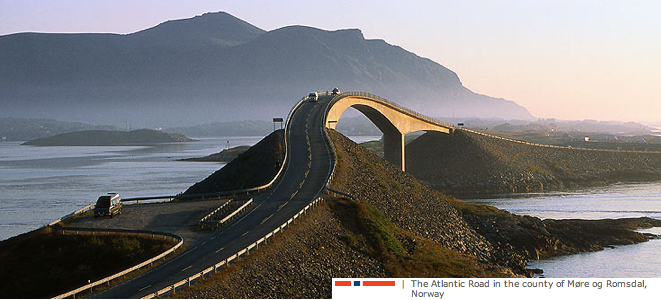
But the key message Lesley brought was one of attitude. Norway faces far more complex civil engineering problems than Scots in linking our country together. Not only have their main rail lines to Stavanger, Bergen and Trondheim all been electric (efficient & green) for decades and coastal communities linked by the daily ferry (see above) but they have been furiously improving their road net and now have almost 100 major bridges and a spectacular stretch of road called the Atlantic Road that they claim to be the most scenic stretch in the world. Though I hae ma doots on that last one, it is typical of their can-do attitude.

AtlanticRoad

In Scotland the state of our train system or the A9 or Wick harbour or the drift of youngsters from the Isles are all regarded as part of life vicissitudes. “Ach, weel—whit can ye dae?” is not just a common attitude but illustrative of a state of mind our Norwegian neighbours would not thole for an instant.

Although she did not say it specifically, I think Lesley would love—instead of them roasting on Balearic beaches for two weeks—to ship boatloads of Scots wholesale to Norway to imbibe the culture instead. They’d get a lot more out of it than sunburn and their 10L of duty-free Stoly. They’d see what was possible in 21st century living if you drop your own 19th century attitudes.

And, speaking of money, Lesley was quite scathing about the cost of things in Norway. Taking £1 = NoK9, city apartments cost £1,000 per month rental, a meal for two comes in around £80 and a beer will set you back £7. But then, the average salary after tax is around £33,000 (UK median wage before tax is still under £20,000). They have around 2 1/2 times our purchasing power. But for us visiting Norway, it’s as steep as the third world visiting here.

So, when Jim Murphy is rabbiting on again about the ‘Arc of Insolvency’ as his text why Scots dare not leave the comfort of the Union, ask him if he’s been to Norway lately, failing which, ask him if he’s had both barrels from Lesley Riddoch on the matter: that would surely set him straight.

Posted in Commerce, Community, Politics | Tagged | 2 Comments

But They Shall Be Free

However Scots feel about the more peaceful Union made some 400 years later, the long fight to resist absorption into and all-conquering Edward I’s empire threw up some of our greatest heroes and forged what has since remained the Scots nation.

This year, the National Trust for Scotland decided that the Battle of Bannockburn Memorial built in celebration of that decisive event of 1314 was in need a makeover. NTS are passionate about the restoration of the battle site and the state-of-the-art visitor centre that will be in place for the 700th anniversary. NTS and Historic Scotland agreed there should be encouragement on the site itself of  contemplation, aided by words from poets to be inscribed on the great ring beam of the Rotunda.

This St Andrews Day is your last chance to vote in a competition among ten Scots poets as to which of their poems should be inscribed on the Rotunda if you point your browser here. All of them are worthy—but my vote went to Fifer John Burnside whose poem below for me captures the mood, history and significance of the place.


Posted in Community | Leave a comment

If It Wisnae fer Yer Wellies

This has been a bad week in a bad year across Britain for flooding. Despite an early drought in England, the volume of rain has more than caught up with the average and flood defences across England have been overwhelmed. Despite rivers up at critical levels (e.g. the Nith at Dumfries), Scotland has got off lightly, despite heavy rains here too.

Whether you believe in climate change being behind this or not, all of this has distracted from what may wind up being a far more serious issue because it will become permanent and, in most places, unstoppable: coastal flooding. Because much of Scotland’s coast is rugged, sea level rises of a few centimetres make little difference so residents of Ardnamurchan or Arran can sleep safe in their beds.

Even low-lying areas like the Angus coast or much of the Forth have an ace up their sleeve because a recent study at Durham University examined samples of peat, sand and clay sediments from 80 sites around the British and Irish coasts to see how the land has changed over time. Basically Scotland and Northern Ireland appear to be still rising after the last Ice Age, while Southern England and Ireland appear to be sinking. Their resulting Coastland Map is shown below in terms of mm/year

The Coastland Map: Changes in Land Levels (source: University of Durham)

Given that tides go up and down anywhere between 3 and 13m, depending on location and lunar cycle, this doesn’t seem much—Skegness will subside by 5cm/2″ over the next century. But for low-lying areas—especially Essex and the Lincolnshire coast where Skeggie is, it spells disaster.

Much was made of Antactica’s Larsen Ice Shelf fragmenting over the last decade and over the last two summers, the elusive NorthWest Passage—graveyard of many 19th century explorers—has opened up to ships. Indeed, seen from a distance, the scale of either becomes mind-bogglingly apparent

Recent History of the Disintegrating Larsen Ice Sheet: Red Line is the New Coast

Satellite View of Canada’s Northwest Territories, Sept. 2012. Dark Blue is Open Sea

Although both examples are startlingly graphic, neither has contributed appreciably to raising sea levels. This is because both areas were sea ice, which already displaces 90% of the volume of water it produces as it melts. Whether the world is warming or not, sea levels are rising; the main contributors are:

  • expansion of water itself as it warms—current global warming of the oceans results in a sea level rise of 1.6±0.5mm per year.
  • ice shelves like Larsen or other sea ice.
  • mountain glaciers
  • ice sheets, the two biggest being Greenland and Antarctica (so far have shown little erosion—but if they do go, much of the world will be flooded)

Evidence from retreating glaciers from Austria to Alaska show they are pouring ever more meltwater into the ocean. Every cubic km of iceberg calved displaces 0.9 cu km of ocean; every cubic km of glacier melted displaces the same cubic km of the sea. So, ice loss from glaciers is ten times worse than melting sea ice.

The Intergovernmental Panel on Climate Change (IPCC), in its most recent review of climate science, estimated that the net effect of all of the above sea levels was 2mm annually. From recent evidence, however, the figure looks more like 3.2mm annually. Leaving aside any acceleration of melting (ice reflects far more energy back into space than open sea where ice once was) the onset of serious coastal flooding is to be measured in decades, not, as we once thought, centuries.

Evidence for this came with Hurricane Sandy last month. The 80+mph winds in one of the biggest storms ever seen created low pressure, which piled a 3m (9ft) storm surge on top of an unusually high spring tide, then topped the mix with 4m waves. The low-lying undefended coastal communities on the barrier islands of Delaware, New Jersey and New York had never seen anything like this.

Walls of water surged through the communities of Atlantic City, Ocean Grove, Staten Island, Queens and others. All had houses washed off foundations, boats parked on top of cars and major utilities lost for weeks on end. In Manhattan, all subway service was suspended as tube tunnels flooded, all tunnels off the island also flooded and much of lower Manhattan was plunged in darkness as substation transformers blew up when the water reached them. The damage was in billions.

Because it is not permanent flooding that makes land untenable; inundations by salt water every few years is enough to poison farmland, render properties uninsurable and make the whole effort of staying and fighting unprofitable. This is especially true in rural coastal areas where it may be easier/cheaper to simply evacuate. This is why the Essex, Suffolk and Lincolnshire coasts are top of the UK vulnerability list.

As far back as 1953, a combination of a high spring tide and a severe northerly gale caused a storm surge. In combination with a tidal surge the water was funneled south into the ever-narrowing North Sea to overwhelm flood defences, especially in Essex where water levels exceeded 5.6 metres (18.4 ft) above mean sea level. Even further back, the Somerset levels were similarly inundated in 1607, drowning an estimated 2,000 or more people, sweeping houses, livestock and villages away and flooding 200 square miles (518 km2) of farmland inundated, and destroyed.

Both events were caused by circumstances similar to Sandy described above: large waves on top of a large onshore storm surge coinciding with high spring tides. Since this rarely happens together, all three are considered 1-in-100 year events. But if we take the projections for Essex (3.2mm sea level rise added to the o.5mm land drop), by the end of this century, average sea level there will by 0.33m higher, making it more like a 1-in-25 year event.

One glance at a coastal map of Essex and  the long muddy inlets of the Ore, Deben, Orwell and Stour between Orford Ness and Southend seem indefensible. The major container port of Felixstowe is officially 0.5m above sea level. Manningtree is 15 miles ‘inland’ but still only 1m above sea level and a stop on the main line to Ipswich and Norwich.

Since 1945, extensive drainage and fertilisation of the Essex marshes for arable cropping and improved pasture has led to widespread fragmentation and loss (64 per cent) of the traditional wetland character of the marsh. Drainage leads to a similar situation to the Fens where much rich agricultural land lies below sea level. Partly because of centuries of reclamation and partly because the Wash acts less of a funnel for storm surges, the Fens between Kings Lynn (4m/on the sea), Cambridge (6m/40 miles) and Peterborough (3m/24 miles) seem less likely to flood. They are nonetheless under threat, along with the Somerset Levels and the Humber estuary.

In Scotland, the situation is not so urgent. Not only does the continuing rise in land mean that sea levels here will rise only by around 0.24m by the end of the century, but there are no equivalents to the Fens, fewer low-lying coastal marshlands and fewer ‘funnel’ effects for storm surges. But Alloa and Perth, although miles from open sea, are both 1m above sea level; both Forth and Tay do get storm surges up to 1m, so we have no reason to be smug. Our comeuppance is due a century later.

Next time you jump in your Chelsea Tractor to run the kids to school, think about its effect and whether you should leave a bequest for their children to get swimming lessons and a boat.

What We’ve Already Lost—Map of the Early Holocene ~8,000BC (Source: University of Exeter)

Posted in Environment | Tagged | 1 Comment

Getting the Message

As a few blogs have tried to explain over the last few weeks, the election ‘across the pond’ in America is, as Bones might have put it “politics, Jim—but not as we know it”. Therefore it was helpful to discover on Facebook an attempt to translate some of the more esoteric poster messages seen during the 2012 campaign.

Much was made of mudslinging (in which the media joined in) so that little policy was aired

Because of its size, American grasp of events & history elsewhere is poor, especially among Republicans

The corollary of Republicans being such a white middle class ghetto is a variety of racism that verges on the innocent.

Posted in Politics | Tagged | 4 Comments

Kenny Cannae Ca’ Canny

I like Kenny Macaskill. Since his stint as SNP Treasurer, he has been popular across the party too as a hard worker and passionate speaker. As a lawyer, he had the appropriate background to become Justice Minister, a post he has held with some distinction. Except that, as time goes on, our ways seem to be parting. That, in itself, is of no great moment. But his recent initiatives are causing ever increasing alarm among people whose opinion I respect—and therefore need examination.

Let’s take, for example, corroboration. Scots Law requires that evidence given by a police officer must be backed up by evidence from (preferably) another police officer. In a review, Judge Lord Carloway, who carried out a review of Scots criminal law initiated by the Justice Minister last year, said this rule (ensuring all key evidence was backed by two sources) was archaic. But, in the broader opinion of the Senators of the College of Justice:

removing the need for corroboration—unique to Scotland’s legal system—would lead to decreased confidence in the legal system and to lower conviction rates generally. The Scottish courts have on many occasions been grateful for the requirement of corroboration, which in our view provides a major safeguard against miscarriages of justice.”

Judges are also critical of proposed restructuring of both Procurator Fiscals and Sheriff Courts and nobody—other than Stephen House and Kenny—seems overjoyed that we have folded our eight police forces into the biggest in Europe. All of the latter seem more driven by economies of scale than any operational requirement. And that economy of scale is being increasingly shown (c.f. banks or utilities) to be detrimental to customers as organisations become ever more remote and indifferent. Kenny is developing a reputation for driving things through, especially if it involves more centralisation.

Last weekend, Scotland on Sunday reported that Kenny was asked at a recent police conference if it is right that Scotland should move to one police force but continue to have 32 local authorities and 14 health boards. He replied it was “not tenable in the police and it’s not going to be tenable in other forms of public life”. So unimaginative; just because you have a hammer, doesn’t mean each problem is a nail.

Despite vocal denials by spokespeople, such thinking is one fox that needs to be shot, and soon. Because the disconnect between the Scottish people and their elected representatives is bad and getting worse. And the last thing we need is bigger and more remote bureaucracies to exacerbate that further.

Now, I can well understand that this cat was untimely in being let out of the bag. The Scottish Government wants to focus on the 2014 referendum and not have major distractions like reorganisations of councils or health boards within that time horizon. But, as Lesley Riddoch pointed out in Monday’s Hootsmon, the system is broke and needs fixing, so we must devise a solution, although not Kenny’s “cookie-cutter”.

There are varying opinions around on this. Lesley’s plea for more local and responsive representation flies in the face of economy of scale. Others like Stuart Currie argue that, because shared services and other cost-saving joint ventures have not materialised among councils, we must consolidate and/or merge in order to have a hope of staying within a reducing budget with ballooning service demands.

The problem is there IS no one optimal size that can combine economy of scale with a good accessibility by and responsiveness to the public. Bizarrely, the answer seems to lie in the two-tier structure abandoned in 1996 when we shot the regions and kept the districts. Leave aside and gerrymandering by the Tories of the time, we should probably have done the opposite—kept the regions and shot the districts. But with a rider, which is the revival of burghs as responsible elected bodies. Here’s how it might work:

A) Introduce City Regions, based on travel-to-work and common culture with 40-70 members (about one per 15,000 voters) and paid well. There should be about six regions in all (one possibility: Edinburgh, Glasgow, Dundee, Aberdeen, Inverness, Dumfries). These would be major organisations with large budgets around £4bn based on population, with a bureaucracy geared to handle big-business civic items, which should include:

  • Ability to borrow from PWLB for capital projects
  • Basic Council Tax fixed rate provides >50% of income
  • Strategic and infrastructure Planning
  • NHS and Social Work (if not integrated then tightly linked)
  • Water and sewage (i.e. split up monolithic Scottish Water)
  • Police, Fire and emergency services in general
  • Education & Further Education (Vocational colleges)
  • Benefits & Council Tax administration
  • Transport (incl. Lighting, Roads & SPT equivalent)
  • Culture, Sports and Leisure
  • Cleansing & recycling
  • Public housing repair & maintenance
  • Trading Standards, Environmental Health & Safety

B) Re-introduce burghs, based on historic entities and appropriate new communities. There should be about two hundred in all—but each would be a minor organisations, with 5-7 unpaid councillors (c.f. USA), budgets in seven figures or less based on population and no bureaucracy beyond a town manager, admin assistance and a few officials handling:

  • Ability to levy local surcharge on Basic Council Tax
  • Limited ability to borrow or raise bonds
  • Local Planning
  • Economic development and tourism
  • Landscape and countryside
  • Public housing management
  • Local infrastructure (street signs, trees, licensing)
  • Traffic wardens

Note the entwined fiscal relationship between the two. Burghs should be lean machines, not much different to the pre-1976 burghs in size. They are tasked with looking after their communities. Regions provide major services such as cleansing on a contract basis—or with a private supplier if they so chose. Though Burghs would be allocated a significant portion of council tax levied, much of this would then transfer to the Region to pay for such services—if they so chose.

With only a half-dozen Regions handling all the major cost centres and roughly that number of directors running major departments, it is plausible that they would justify the kind of salaries they are pulling down. But, more importantly, while there would be some economies in general staff, senior management costs—the one area that has boomed disproportionately in recent years—should come down by more than 75% or something better than £20m alone. With a quarter the number of paid councillors, this would save the same again.

By having planning, housing, green spaces and jobs handled locally, many of people’s immediate concerns should be accessible in the same community. The really local councillors will be daily among the people they represent and motivated by improving their own community rather than money. The trade-off is that the big, costly items will be remote—but, given the present structure, outside of cities, they already are.

While a number of prominent politicians besides Kenny are keen to combine councils into larger units, that is counterproductive unless the truly local element is restored as people start talking and thinking of ‘their’ council. Andy Wightman—no stranger to campaigning for local rights across Scotland—presents a cogent series of arguments for council units of this size in his blog on Sunday.

Of particular interest are his tables, showing the contraction of local representation in Fife down the centuries and a comparison of how local government is elsewhere. In Europe, France has 1,150 times as many municipalities as us; Germany 360 times and in comparable-sized Norway, it is still 13 times as many. Adopting the scheme above would still only shift Scotland from worst to 13th in democratic accountability.

It’s sensible that we don’t change anything before 2014. But the present councils are a non-local neither-fish-nor-fowl gerrymandering hatched 20 years ago by Tories in the hope that some might land in their control. Kenny’s right there’s a problem to face but he and his minister colleagues should ca’ canny; folding 32 councils into fewer monoliths of faceless bureaucrats still won’t engage people—they’d be neither local or responsive by themselves. As the Christie Commission put it:

“we saw evidence which demonstrated that Scotland has the lowest number of local councils among European countries of similar population size, This suggests that it is the joining up of discrete service functions at a local level rather than the number of discrete council areas that is the key issue.”

Posted in Community | Tagged | 3 Comments

Why Aren’t We All Just People?

Just back from a month in the States (well, OK—in five of ‘em), I am overwhelmed by a blizzard of impressions that makes nonsense of my having spent a couple of decades of my life there. This time, despite my friends’ best efforts, I most definitely felt like a ‘furriner’.

After two decades of living in a small town, I have been spoiled—able to walk in less than a minute to the High Street, the beach, the butcher and (most important) the tender ministrations of my favourite barista. It’s hard to summarise America but an unending sprawl of suburbs surrounded by an bigger unending sprawl of massive fields, surrounded by even bigger scenery is a start.

In Philadelphia/Chicago/San Francisco, I thoroughly enjoyed how the Americans do their vibrant downtown culture. But why the bulk would choose to live in South Jersey or Silicon Valley remains as much a mystery to me. When I first encountered their large front lawns widely separating ranch=style homes and getting a pint of milk involves jumping in the car, I could not get my head round why this was desirable. Because it seems like a recipe to kill community, I still can’t

Not having visited Philadelphia before, it was all new—the usual grid of streets chess-boarding out from City Hall, a huge ethnic and cultural variety rubbing shoulders from the tuxedo-and-tiara mafia in charge of the Barnes Museum (best Impressionist collection outside of Paris) to the cacophonic multicultural gastronomic mayhem of the Reading Station. But I had no basis to compare change.

After longer in a San Francisco I know well, I was struck by the ethnic basis for the seismic shift in US population that Romney wilfully ignored and that brought his presidential effort down with a crash. Because, cosmopolitan and multicultural as San Francisco might have been when I lived there in the early nineties, it now bids fair to be a prototype of how cultures will mix across the USA, if not the world.

Ignoring the more uniform white suburbs of the East Bay, SF used to be white with heavy latino and black elements, plus a good dose of Chinese who had been there almost as long as the whites. By my unscientific observations, whites are now in a clear minority, with a heady mix of Mexican, Guatemalan, Costa Rican, (i.e. primarily Central America) latinos who are now almost as populous. Virtually every restaurant, irrespective of genre, has completely latino kitchen staff.

Meantime, the Chinese element has been tripled, which together with major Vietnamese, Filipino, Korean and Indian elements is coming up fast in third place. The only element not growing (in fact declining as manufacturing jobs close down) is the black, which is dropping towards single digits.

Some explanation for this can be found on the college campuses. Whether at UC Berkeley or SF City College, the sheer number of Asian, followed by latino students dwarfs the white faces and makes a black face unusual. With the job market just as tight in the US as Scotland for young people, degree inflation means that almost any salaried job demands a degree and those that always have (e.g. in engineering) are now looking for a PhD or at least a Masters.

White kids are doing all right in all this. Not only have they always had the inside track in the culture but, until recently, their never-had-it-so-good parents could dip into the savings/401k/2ndMortgage to fund the $10k+ necessary for Junior to get a degree. Asian parents have always been astute in egging their kids on to study hard and do well, even if only to be able to look after them well in their dotage.

Over the last couple of decades, latinos have also caught on and, although their home culture is not quite as performance-oriented as the Asians (most gardeners, construction workers, plumbers’ assistants, etc are latino) they do have the work ethic and many of their kids are grabbing what opportunity comes their way.

But the real tragedy seems to be the blacks. Those outside of the South drifted there after the Civil War and got menial jobs in factories. Though there are many black professionals, they remain the exception and the black districts of Hunter’s Point and Oakland, though shrinking in extent (East Palo Alto’s black neighbourhood seems to have been entirely Yuppified) have become even more hopeless swathes of civic wasteland than two decades ago.

This gives real food for thought. For a century after the Civil War, blacks remained second-class citizens in their own country. As late as WW2, black regiments would not be mixed with whites. The Civil Rights Movement swept away much of the bigotry that did stand in their way, especially across the old Confederacy. But in the half-century since all official barriers were torn down, their lot as a whole has barely improved.

This could be ascribed to racial prejudice—except that the Asians and latinos have used that time to not just explode in numbers but to drag the standard of living for those numbers well up past anything blacks have achieved to within contention of the white elements of the population.

Comparing these aspirational and social problems with ours in Glasgow and/or Dundee, where it is less clearly racial, is it possible that social fragmentation and the hopelessness hung round the neck of one generation after another has far more to do with family life and local culture than any racial or visual characteristics upon which many well intentioned social programmes are focussed?

Whether blacks started off as slaves may now be irrelevant but their dearth of positive examples within their neighbourhoods is not. In other words, are our equalities efforts barking up the wrong, racial tree?

Posted in Community | Tagged | Leave a comment

Listless People in a Land Full of Energy

Over the last forty years, one truth almost done to death but still deserving of repetition is the fact that Scotland is the only country in the world to have discovered oil and not grown rich by it.

If that, in itself, isn’t enough to get Scots upset, then the manner in which £283bn (to date) provided by that oil was squandered ought to. And, if all that is water under the bridge to you, what about the scale of renewables opportunities that dwarfs those of oil that the UK government have hamstrung through lack of investment?

For the political debate in Scotland to focus on details like exact college funding and whether NHS bursitis treatment is a postcode lottery is evidence—if ever it were needed—that elected politicians fixate on sound bites or points scoring, showing little clue about the big picture or why people elected them in the first place. No-one expects Scottish Tories to agree with Scottish Labour on much. But why they are not all on the barricades with the rest of us to stop their country being ripped off has been the great unanswered question of the Scottish Parliament?

As a result of their nit-picking, yah-boo-sucks posturing, the great bulk of Scots, so hopeful as they crowded the Royal Mile that summer’s day in 1999, are not watching their antics at Holyrood any more than they are glued to BBC Westminster for the latest droning from three MPs and a junior minister over how Sunday opening might affect morris dance festivals in Kidderminster. It was supposed to be better; it was supposed to be less schoolyard confrontational.

But it isn’t. And the punters have had just about enough of being turned off in droves. So, this is an effort to focus readers on one thing: the biggest political outrage in Scotland for the last half century—our valuable windfall of energy and its purloining to benefit others.

Let’s set the context with a few relevant facts about our past and present energy bonanza—oil and gas:

  • The North Sea contains Western Europe’s largest oil and natural gas reserves. The largest share of that is in Scotland with Norway owning the next largest.
  • Since 1970, approximately 39.5 billion barrels of oil equivalent (boe) have been extracted from the UK Continental Shelf. Most of that was extracted below $50 a barrel.
  • Further overall recovery is forecast to be in the range of 15-24 billion boe – although the exact amount of reserves remaining will depend on a range of factors including investment, technology and oil price, which has not fallen below $80 since the 2009 dip.
  • Total production of oil and gas was 2.5 million barrels of oil equivalent per day (boepd) in 2011 (roughly the 2.5 m in 2009).
  • Since 1964/65, the UK Government has raised approximately £283 billion in direct tax revenue from oil and gas production in the North Sea after adjusting for inflation (2010/11 prices).
  • The Office for Budgetary Responsibility forecasts suggests that the North Sea will generate £50.8 billion in tax revenue between 2010/11 and 2014/15.
  • Research by the University of Aberdeen shows that Scotland’s share of North Sea tax revenue will exceed 90% over the next five years.
  • Aberdeen is the world’s second largest energy hub, behind only Houston. The representative body, Oil and Gas UK, estimate that in 2010 the industry provides 196,000 jobs in Scotland. Of these the UKCS is estimated to account for 110,000 with a further 45,000 supported in the export of goods and services and 41,000 supported in the wider economy.

Where has our money from all this gone? Taxation in the last 40 years rose under Thatcher/Major from £58 bn to £296 bn while Blair/Brown raised it to £529 bn. Even allowing that inflation has almost tripled prices over the same time, the government’s take is 3.25 times what it was.

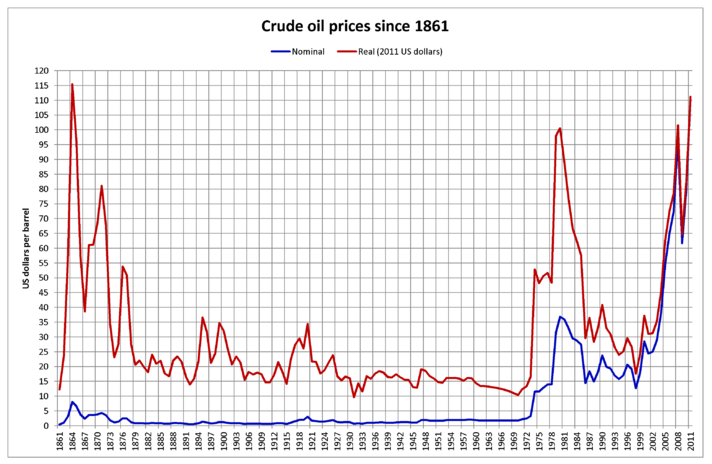
But the really sweet deal has been the oil taxes, linked to oil price—$16 a barrel in 1979 while Brent Crude today fetches $111.38. So, for all the unionist moaning about volatile oil prices and supply running out, even though volume has fallen almost 50% since its peak, the government take is still 3.5 times what it was.

In other words the UK Government is getting the largest share of its revenues from our oil that it ever has. And what munificence and gratitude has it shown us? Has it squirreled at least a part of it away like Norway’s Oil Fund ($660 bn, with $29 bn added last quarter as stocks rose)? Has it poured investment north to exploit the joint benefits that would accrue from Scotland’s dominant position as a potential source of green energy? Has it hell.

Starting with the Thatcher but exploited like there was no tomorrow by Blair and Brown, all the money went to offset other taxes while increasing benefits and the health budget. In the 17 years since 1994, personal social service costs have risen from £5.5 bn to £17.2 bn, NHS from £36.6 bn to £118.7 bn while benefits rose from £88.4 bn to £168.6 bn and are expected to top £200 bn by the end of the decade. Oh, and have I mentioned our public pension liability grew from £41.3 bn to £119.2 bn?

In 1994, oil was less than $20 a barrel—not much more than in 1979—but since then the booming oil taxes slurped like a godsend into Irn “call me Prudence” Broon’s coffers so that £13 bn of the above generosity could be funded as oil revenues quintupled. It paid for 8% of all the increases listed above or, looked at another way (i.e. 10% of ALL income tax receipts) was equivalent to body-swerving a 10p-in-the-£ rise in basic tax rates. Nice trick.

In short, we wuz robbed—and we still are being, only more so.

The bigger tragedy is that the sprawling house-of-cards benefits system by which Blair & Brown bought successive elections was based on borrowing, pension raids and taxing both North Sea oil and the now-notoriously cowboy junk-mortgage-etc boom times of Canary Wharf et al. The UK lived well above its collective means and all of Osbo’s smoke-and-mirrors efforts to prune the behemoth have produced little. That’s because, of all Irn Broon’s fiscal tricks, the only one still producing—and that right well—are the oil revenues.

So every unionist who can add is falling over themselves to keep Scotland’s oil revenue flowing into their Treasury. Without Scotland, the present bloated UK expenditure commitments point to a bankrupt England. Little wonder there’s a panic in John Bull’s breastie.

But the wonder to me is that the Scots—ever canny with other people’s money, let alone their own, should not be in angry pitchforks-and-torches mode over this. Having each lost £56,000 to date, they appear to be tholing another cool £2,200 sneaking south each year. And, as oil prices rise (and they will over time) that number will just get bigger.

I don’t want to believe this, but, with an indifference uninspired by all the petty squabbling at Holyrood, has a once-proud nation been bought off by Irn Broon’s handouts—the modern equivalent of 1707’s English gold? We could make such a better fist than the UK Treasury of investing our own money in our own future.

Posted in Commerce, Politics | Tagged | Leave a comment

Giving Thanks

Regular readers of this blog will know that I’m a fan of the Americans. Not because all they do is spiffy but because they have forged a great nation out of the hopes and guts of a pile of penniless immigrants. And, if you go there—bearing in mind Mark Twain’s superb observation that we are “two peoples separated by a common language”—you’ll find them generous, sociable and optimistic in a way that sundry Europeans could learn from.

The other cultural high point of their year besides 4th of July is a mystery to most Brits. Today is Thanksgiving. Always on the 4th Thursday in November, Americans try to get home to be with family celebrating the survival of early Pilgrim settlers, thanks to the generosity of their Indian neighbours. The ritual meal served (turkey, stuffing, cranberry sauce, yams, pumpkin pie, etc) surpasses English Sunday roast and Christmas dinner all rolled into one.

The four day weekend is spent stuffing yourself with food, catching up with family and getting started on the Christmas shopping. The Friday after (always a holiday too) is usually the peak retail turnover day of the year. Since I have no American family, I have left them to it and returned to Scotland after four weeks over there. My own Thanksgiving is to all the people who still made what was a difficult trip into another series of memories and experiences that I will treasure.

What follows are some snaps that try to capture some of the warmth shown me during the trip (including breakfasting in shorts outdoors in the middle of November)

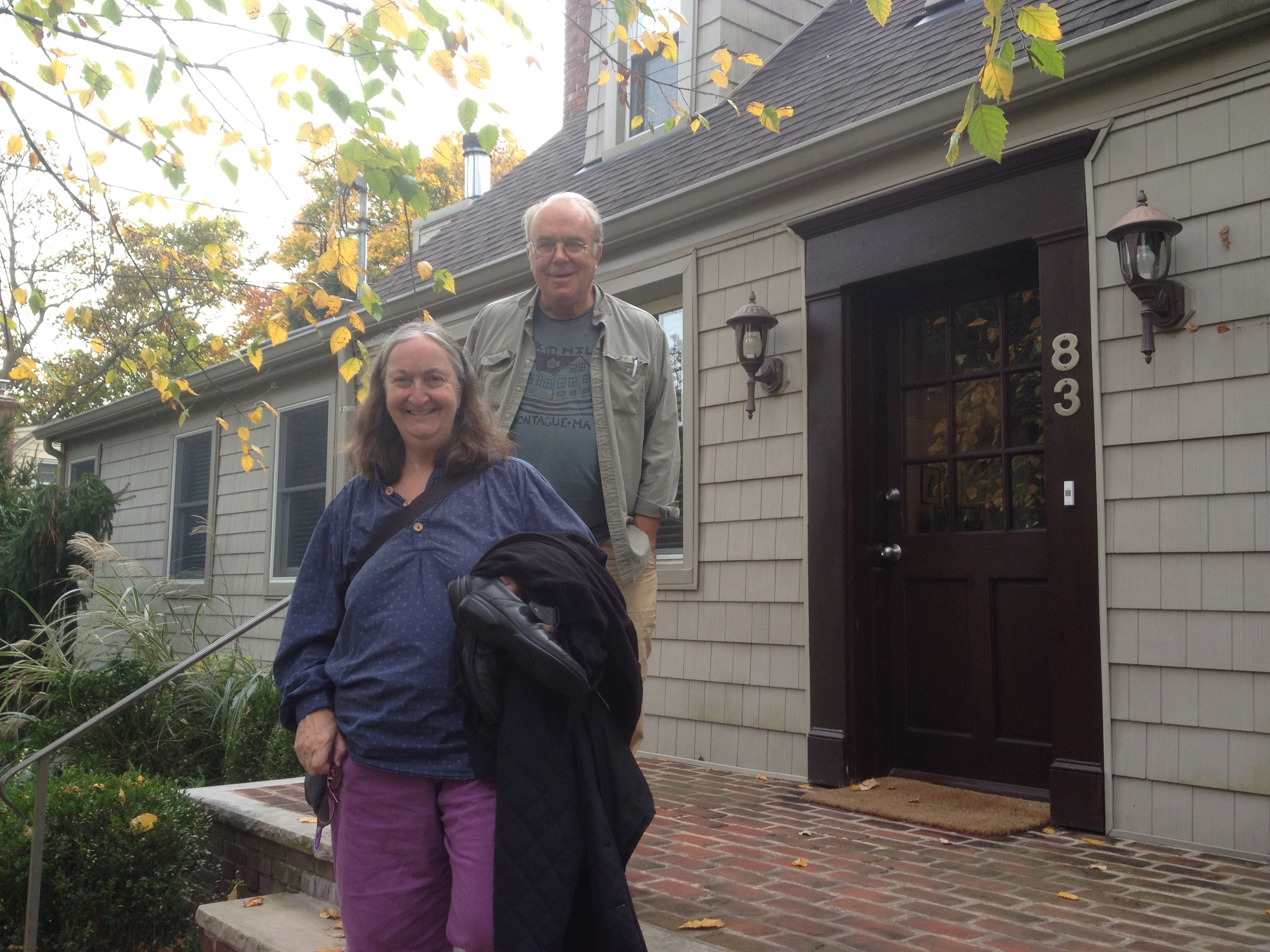
Sharon & Bill—my Hosts at Princeton—outside their House

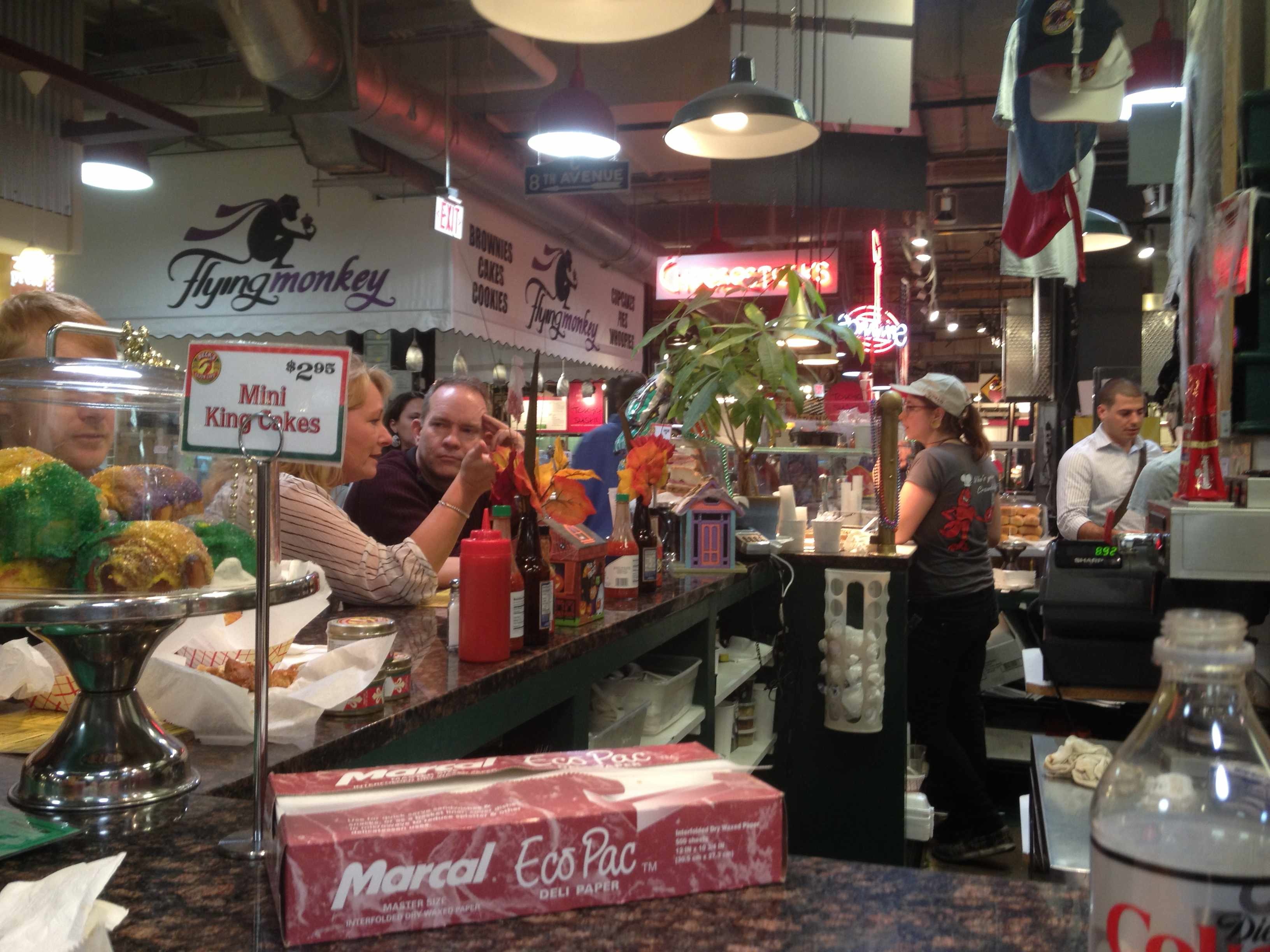
Exotic Food and Entertaining Chaos at Reading Market, Philadelphia

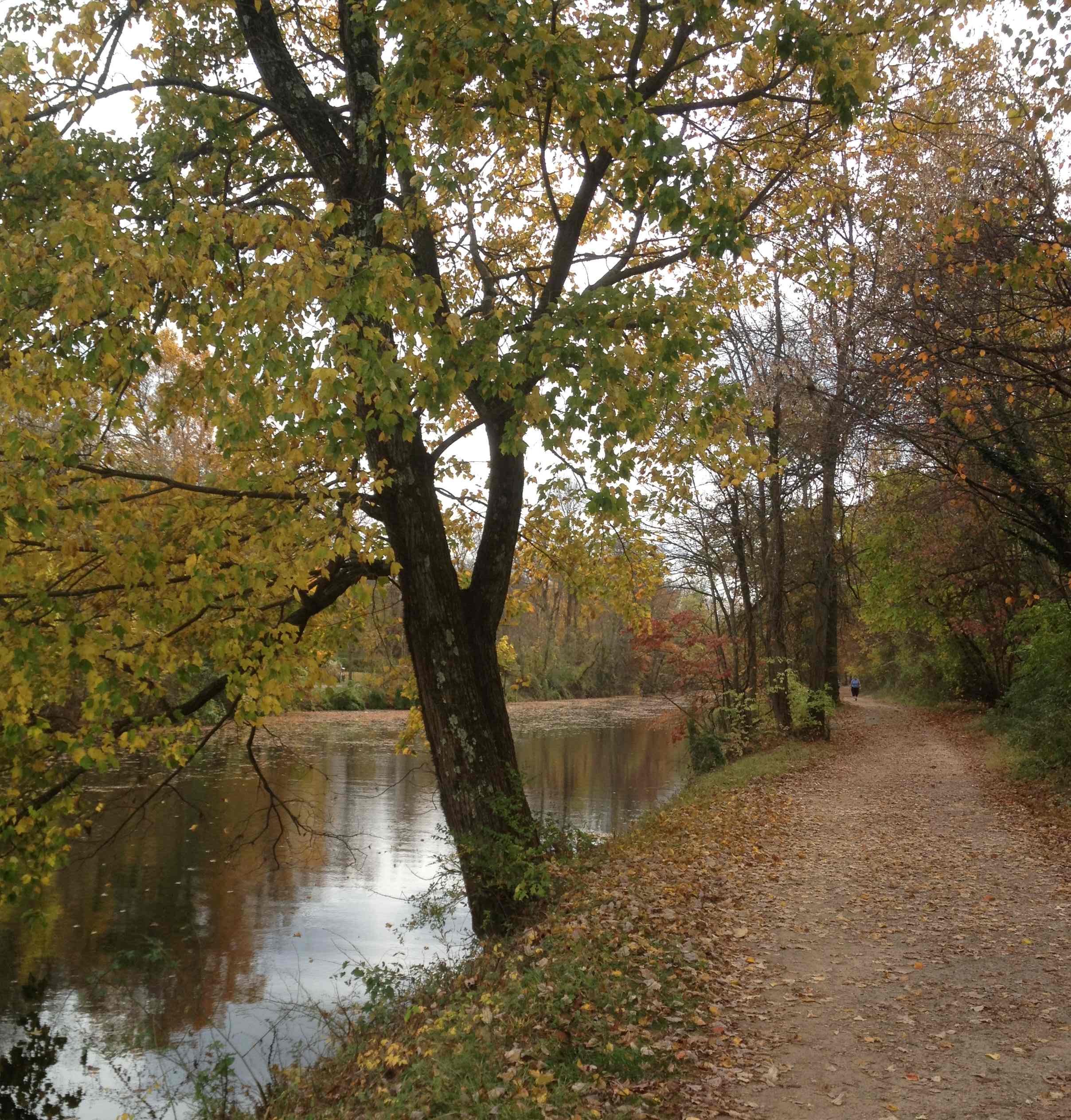
Idyllic Miles of Bike/Walking Path along the Delaware & Ruritan Canal, New Jersey

The Brand New Apple Store on University Avenue, Palo Alto, CA

“Dr R. Boles”—Tree Surgeon and Poet Extraordinaire Bob Evans (with Truck), Palo Alto CA

Martha’s Coffee Shop, Noe Valley, San Francisco—Java Joint/Meeting Place/Civic Hub

American Excess: Mobile Home on Highway 1, Half Moon Bay, CA

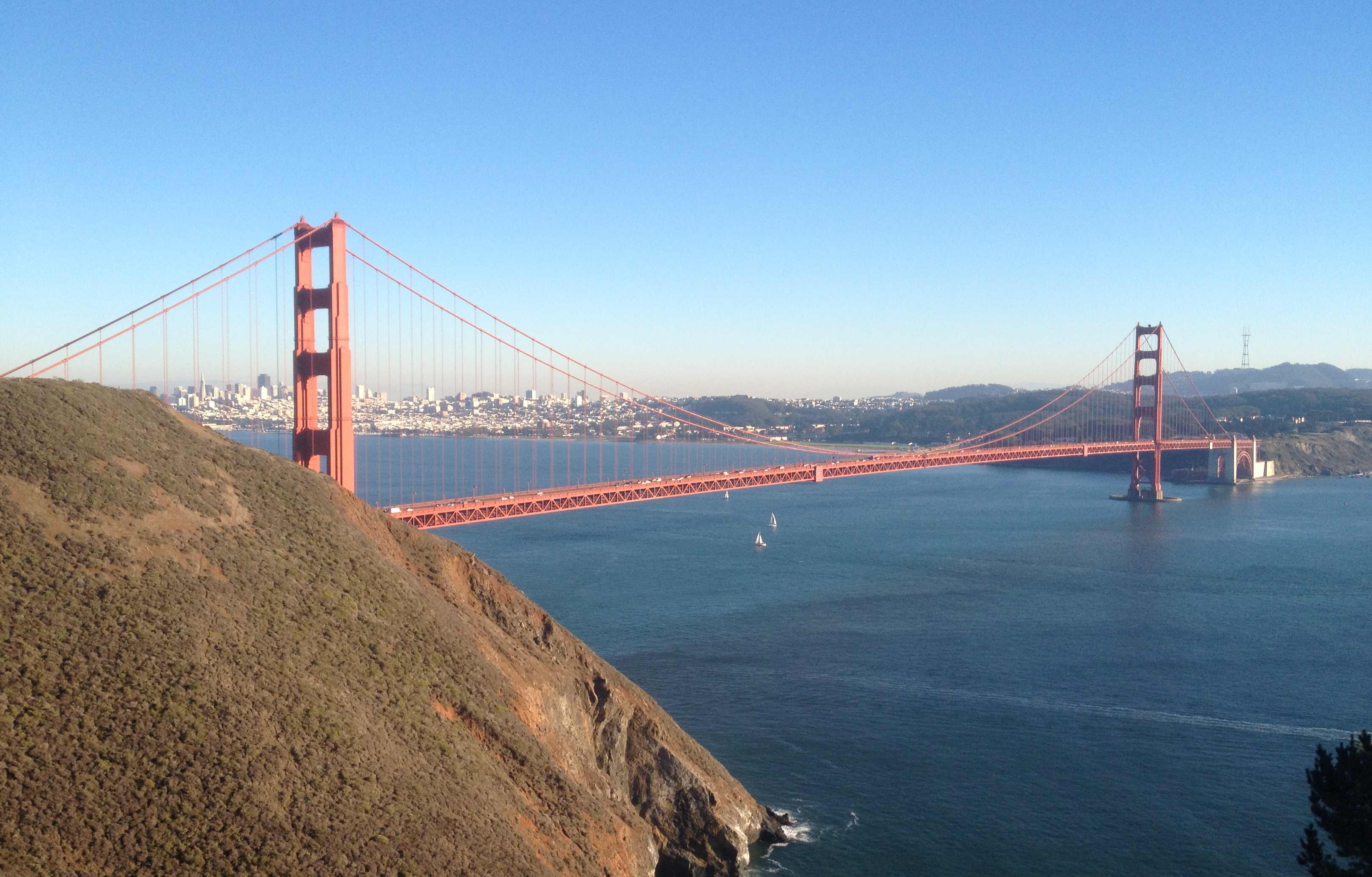
The Classic View—San Francisco beyond the Golden Gate Bridge from Marin Headlands

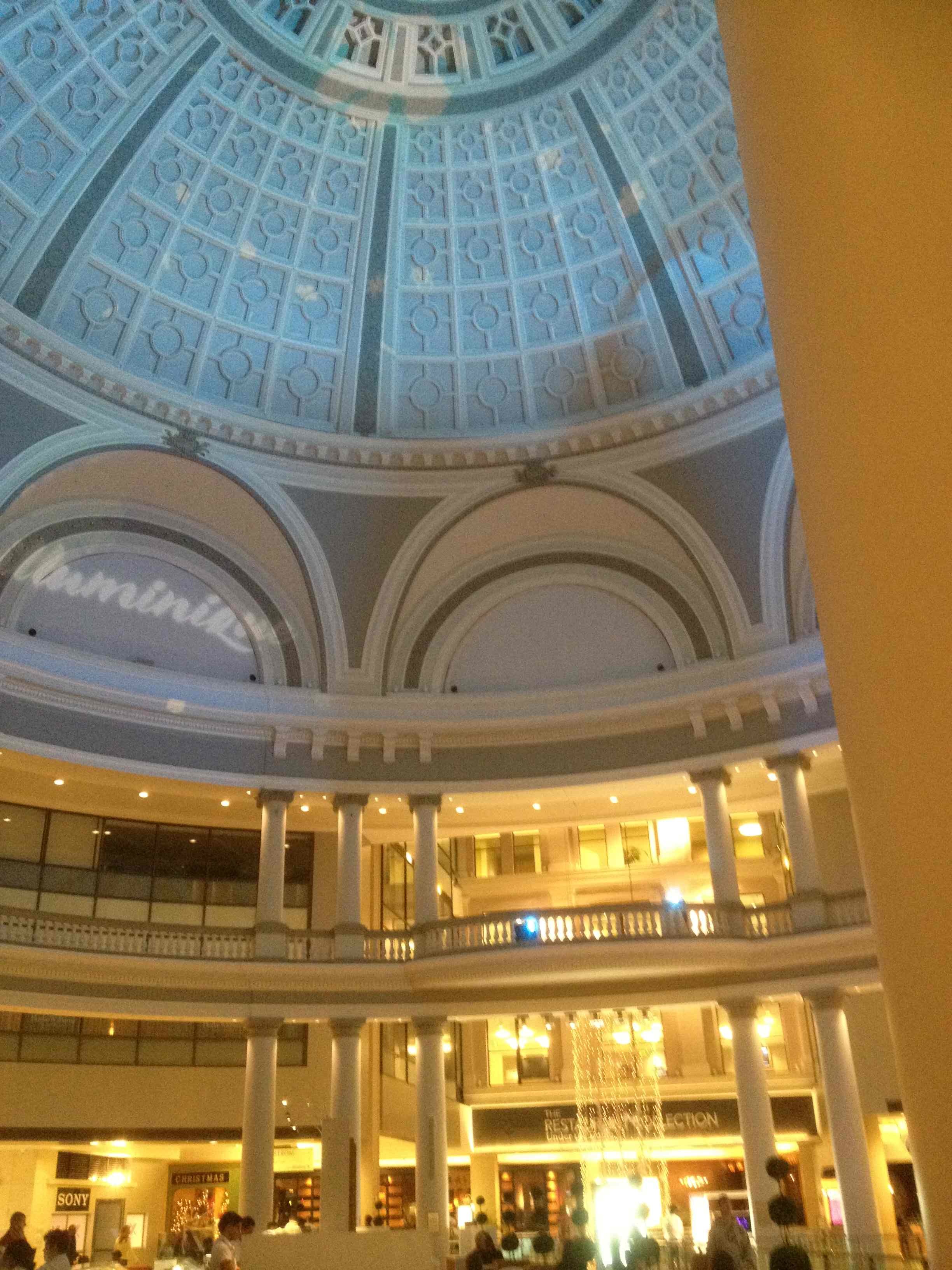
Bloomingdales Department Store, SOMA, San Francisco

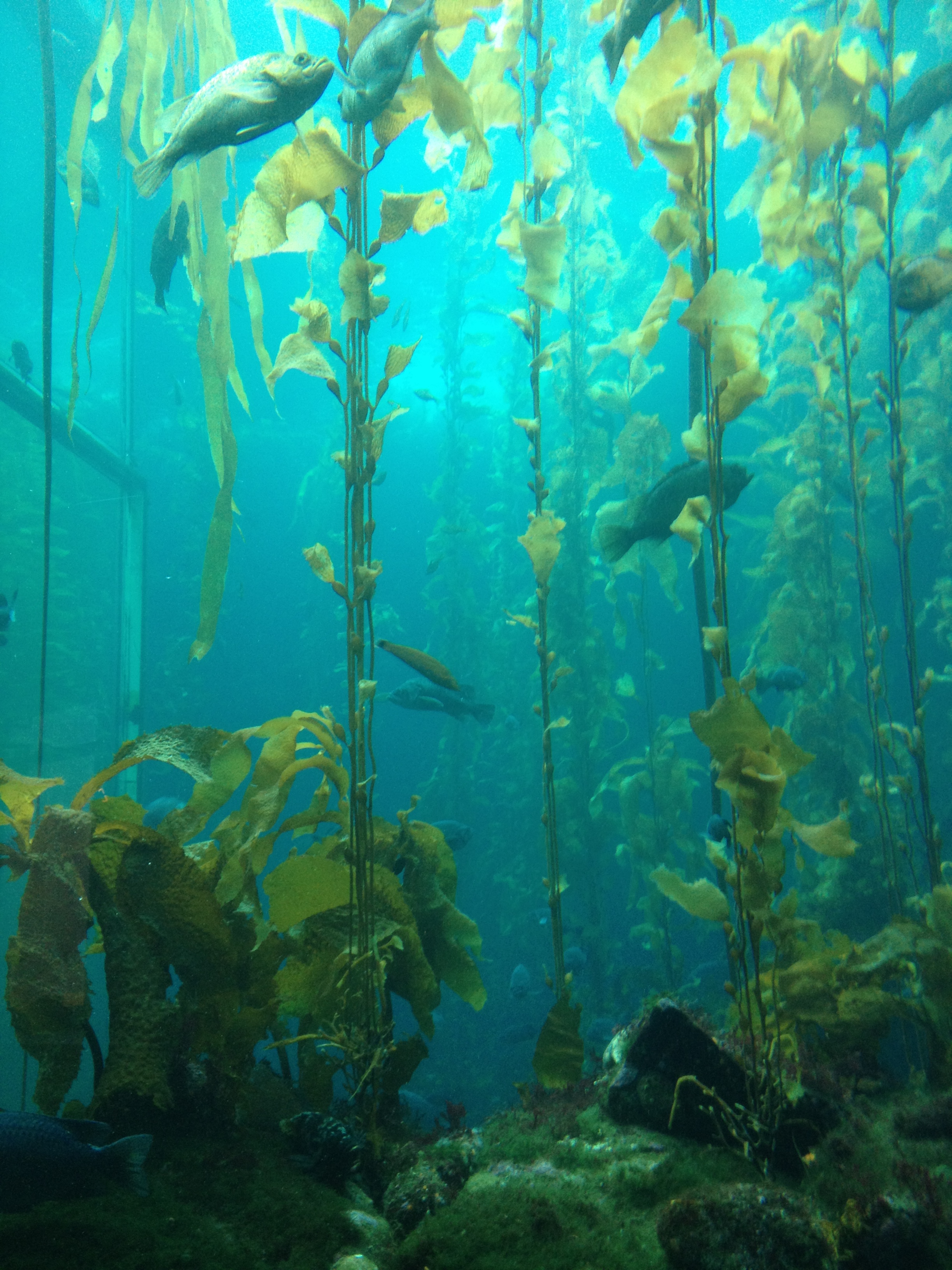
The Kelp Forest Tank, Monterey Bay Aquarium, CA

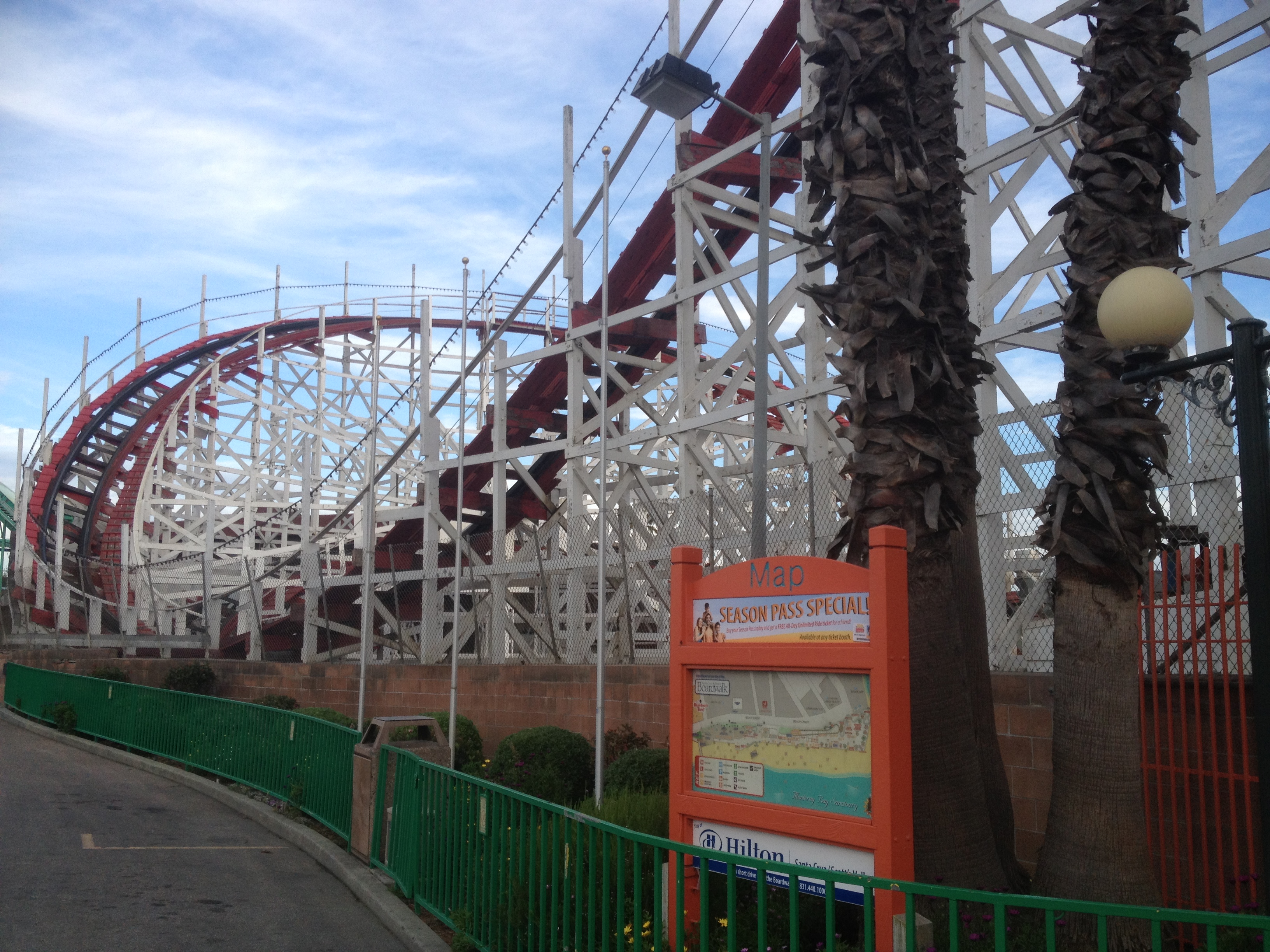
Original 100-Year-Old Wooden Rollercoaster, The Boardwalk, Santa Cruz, CA

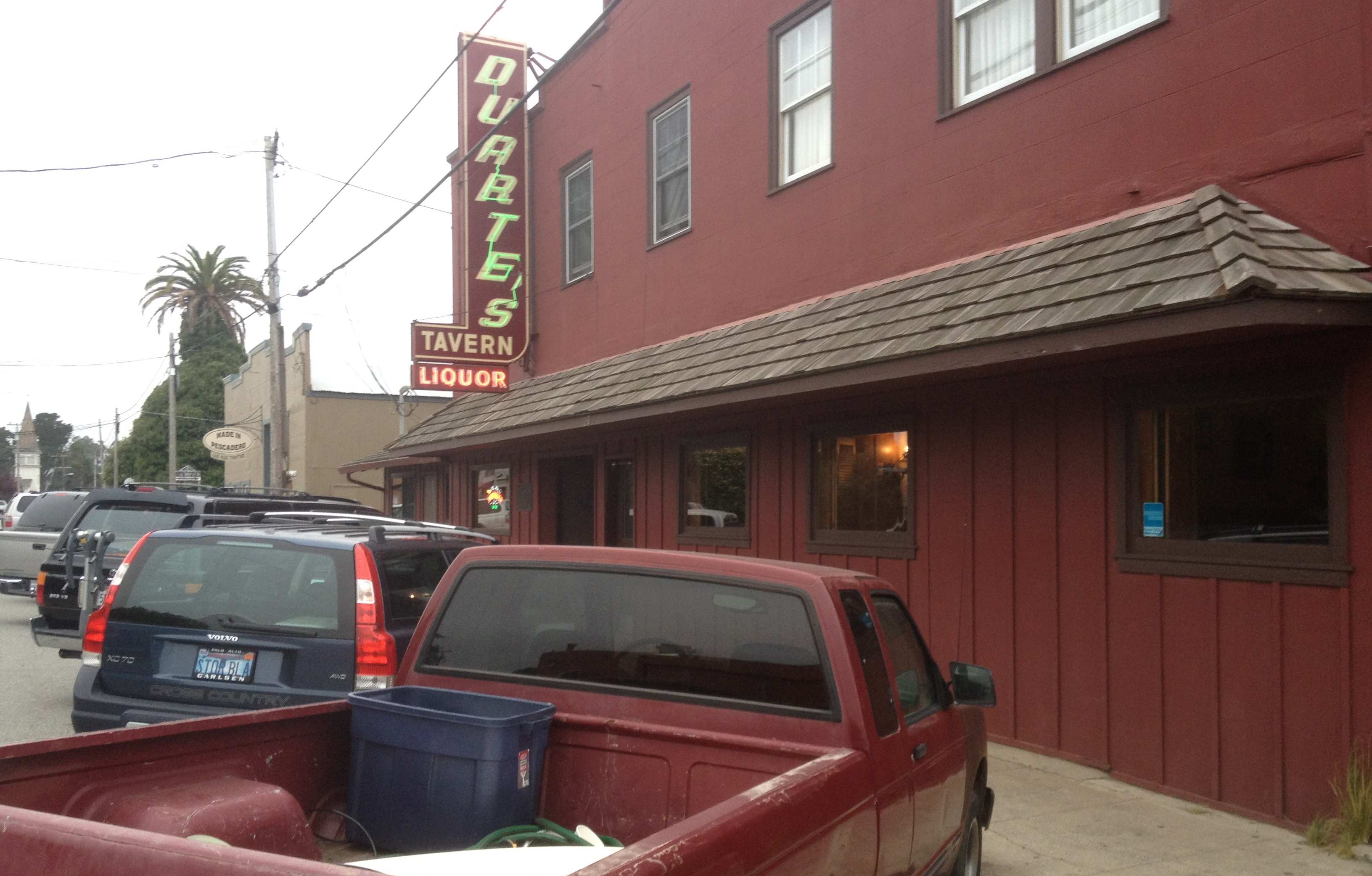
Duarte’s Tavern, Pescadero, CA—Best Artichoke Soup & Ollallieberry Pie Anywhere

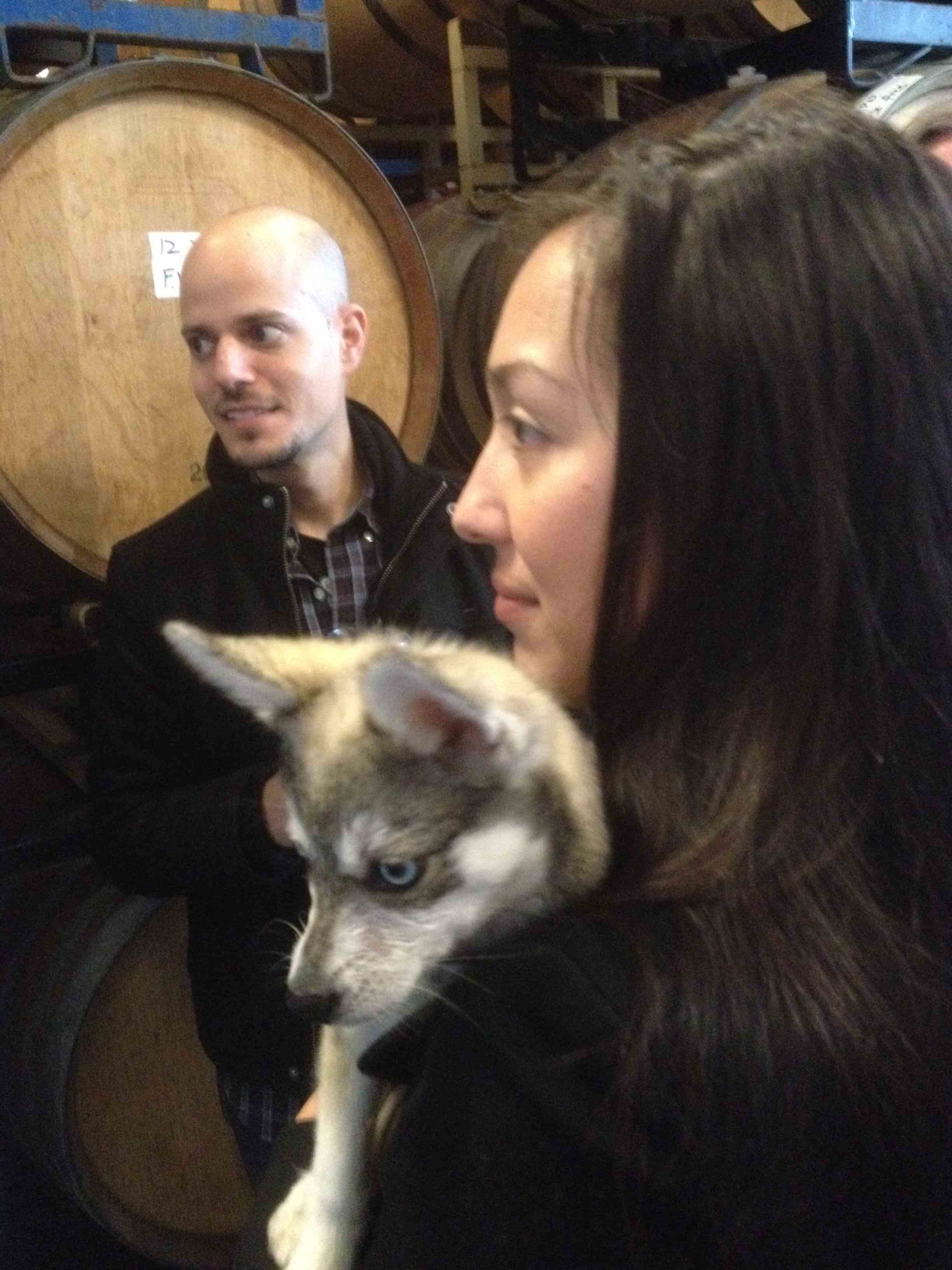
Winetasting, Nicholson Winery, Santa Cruz, CA

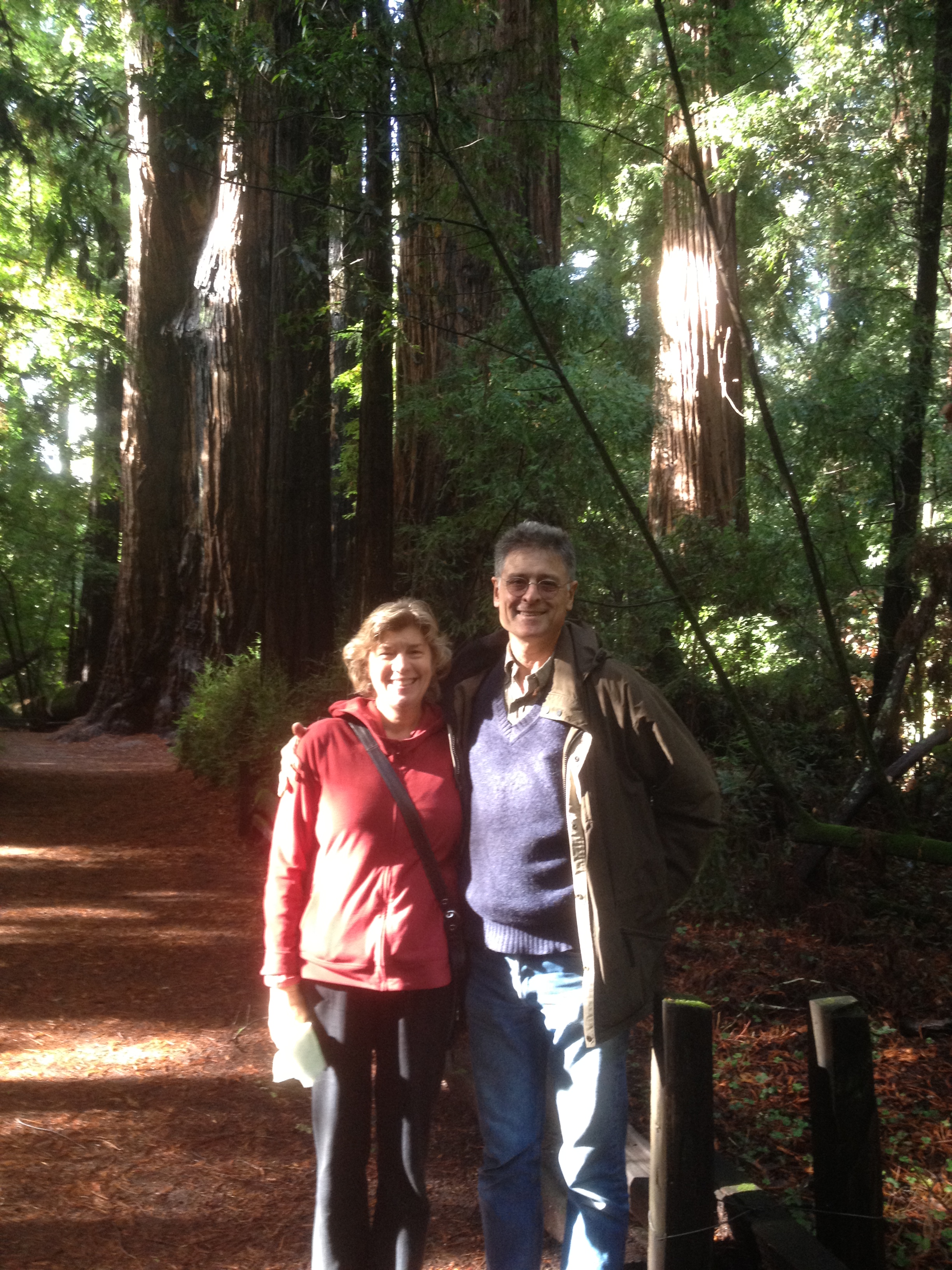
Silicon Valley Escapees and Mine Santa Cruz Hosts—Susan and Stephan in Henry Cowell Redwoods

Posted in Community | Tagged | Leave a comment

The Partisan Needs Perspective

Most observers of Scottish politics would concede that the last few weeks have proved to be rockier for the SNP Government than they have been used to. Mistakes have been made in more than one statement, resulting in a level of baying from the opposition that would do credit to any passing wolf pack. Hugh Henry accusing the FM of lying and “deliberately fiddling the figures” or Johann Lamont asserting that no-one “can believe anything the first minister says ever again” is strong and rather intemperate stuff from their heaviest hitters.

Opposition requires a measure of judgement as to the seriousness and the intent of any errors uncovered and no administration—whether in Holyrood or Westminster—has brought perfection to the art of governing, let alone of keeping the people informed in a manner that keeps the Opposition happy.

Whether Parliament was or was not misled—on legal advice on the EU or on funding for tertiary education or whatever— is for others to decide. But even an openly partisan blog like this is prepared to concede there appears to be evidence for questioning both. Whether either will justify the level of venom currently being pumped into posing those questions is entirely another matter.

Should Jackie Baillie be disciplined for attacking SNP custody of the NHS with figures that date from her own stint as Health Minister? Should Margaret Curran get her jotters for pillorying SNP use of 4G phone license allocation monies when, in fact, Scotland gets none because they lie out-with the Barnett Formula? Probably not, even if both were deliberate (unlikely). In politics, some rough-and-tumble comes with the territory; those posing as holier-than-thou are often early casualties.

Partisanship is fine, provided it has a healthy degree of perspective attached. Which is why we should all be grateful to the Scottish political press who, despite the best efforts of their editors, often achieve that rare creature: a partisan piece that ought to be recommended reading for all politicos. In this context, I cite Alan Cochrane’s frequently mordant but thoughtful broadsides in the Torygraph (try http://www.telegraph.co.uk/news/uknews/scotland/9687005/Scottish-Labour-hot-under-collar-over-Salmonds-figures.html.)

But an even rarer gem is an informed and incisive observation that surpasses any partisan intent and simply puts a complex and thorny issue (over which elected high heid yins are squabbling to their mutual detriment) into a lucid context that the 90+% of Scots (whose healthy cynicism about the hale jing-bang grows by the day) can not only understand but believe it to be as good a formulation of the truth as they are likely to see.

For that in this context, try Iain Macwhirter’s latest blog at: http://iainmacwhirter2.blogspot.no/2012/11/facts-are-chiels-that-winna-ding-is-one.html

Posted in Politics | Tagged | Leave a comment